









The Best Gym Routine for Weight Loss: A Practical Guide for All Levels
April 10, 2026
When you walk into the gym hoping to lose weight, it can be overwhelming to see all the treadmills and weights and wonder where to begin. If that sounds familiar, you’re definitely not alone.
The truth is, the best gym routine for weight loss involves the right mix of exercises that burn calories, speed up your metabolism, and help you build lean muscle.
The good news is that research shows combining strength training and cardio helps you lose more fat while keeping your muscle. So, your workouts should include more than just walking or spending all your time on the treadmill.
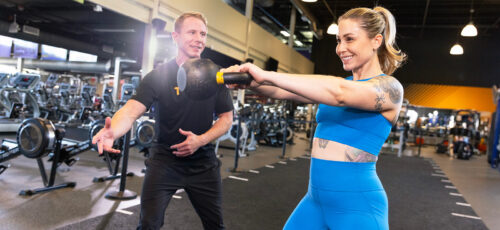
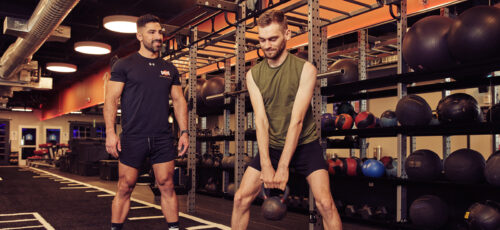
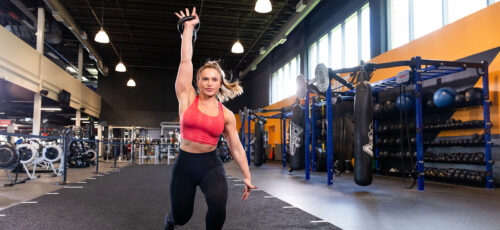
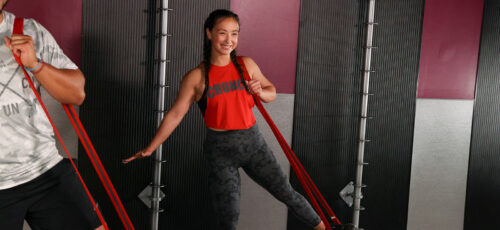
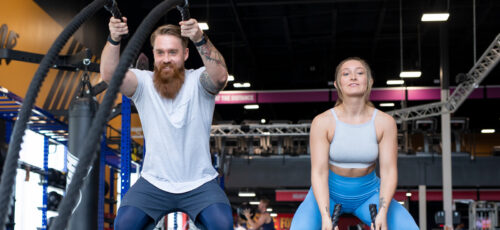
Try adding compound exercises such as deadlifts, kettlebell swings, and squats, along with HIIT workouts, rowing machine intervals, or a quick set of burpees.
Why does this approach work? Building muscle raises your metabolism, so you burn more calories even when you’re resting. Combine this with good nutrition, enough recovery, and regular workouts, and you’ll have a plan you can stick with for lasting fat loss.
Are you ready to train smarter instead of just harder? Here’s how you can do it.
If you want real results, your gym routine for weight loss should be planned out. It’s like creating your own fat-burning formula: use strength training to build muscle, cardio to burn calories, and stay consistent so your body keeps improving.
The real question is: are you working out with a clear goal, or just exercising without a plan?
Lifting weights won’t make you bulky right away. Instead, it helps you build lean muscle, which boosts your metabolism and supports long-term fat loss. Simply put, the more muscle you have, the more calories you burn, even when you’re just relaxing or sleeping.
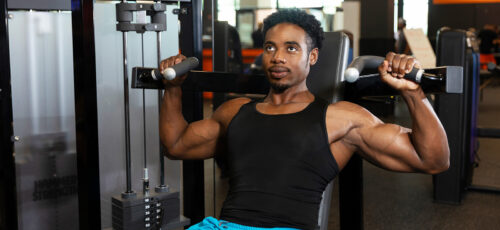
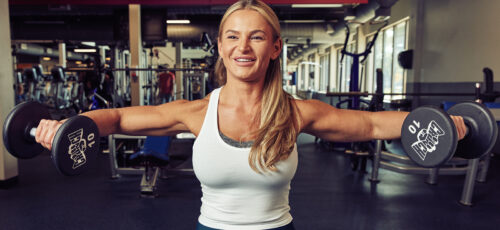
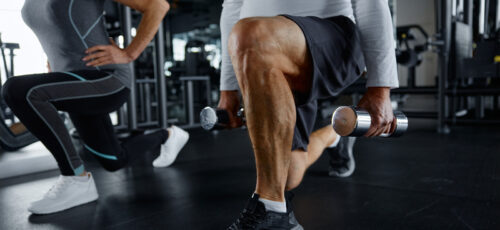
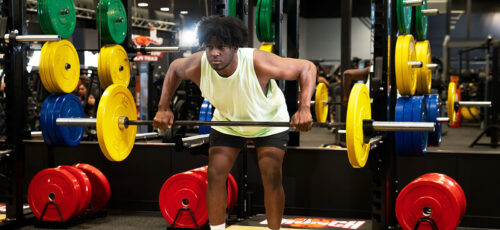
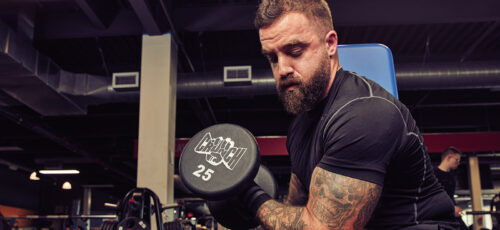
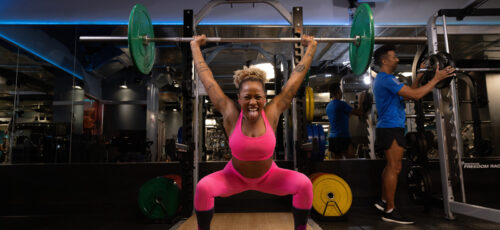
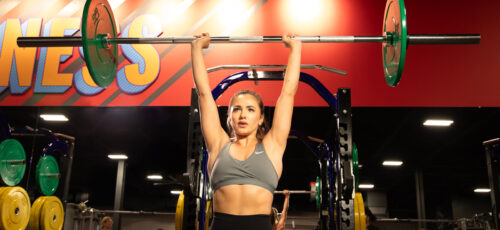
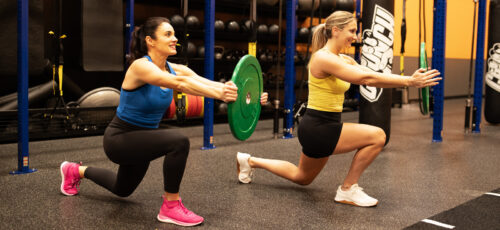
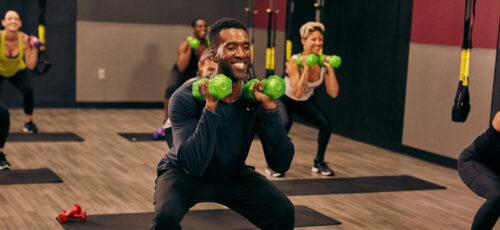
A good strength training plan works several muscle groups at once by using compound exercises.
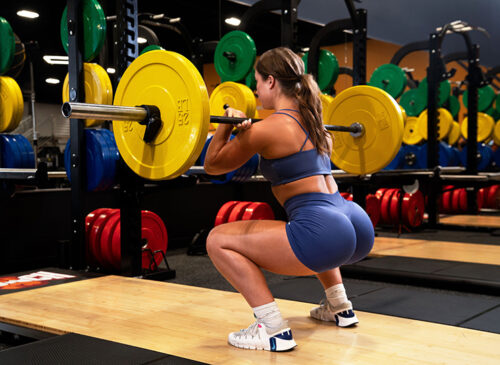
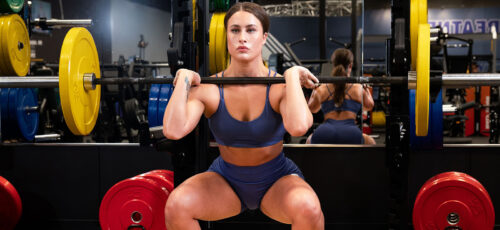
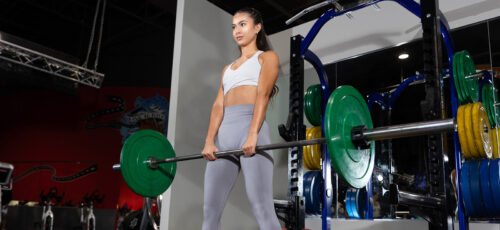
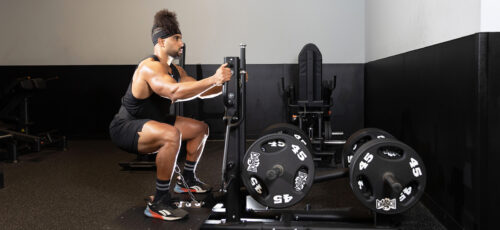
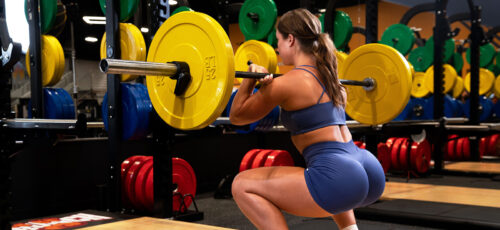
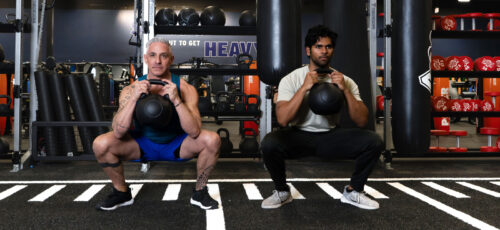
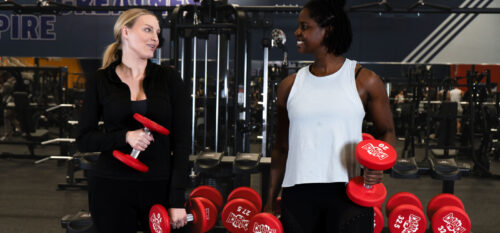
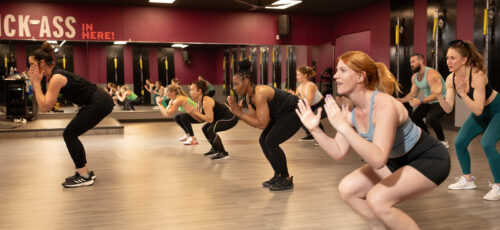
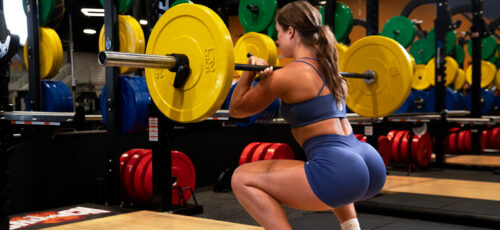
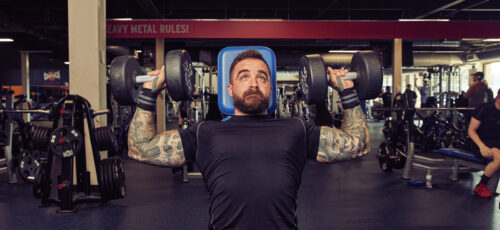
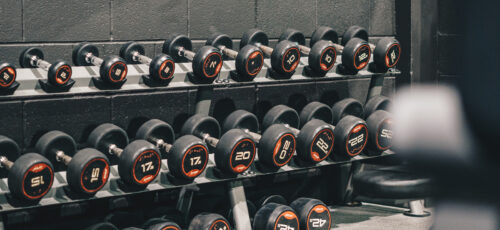
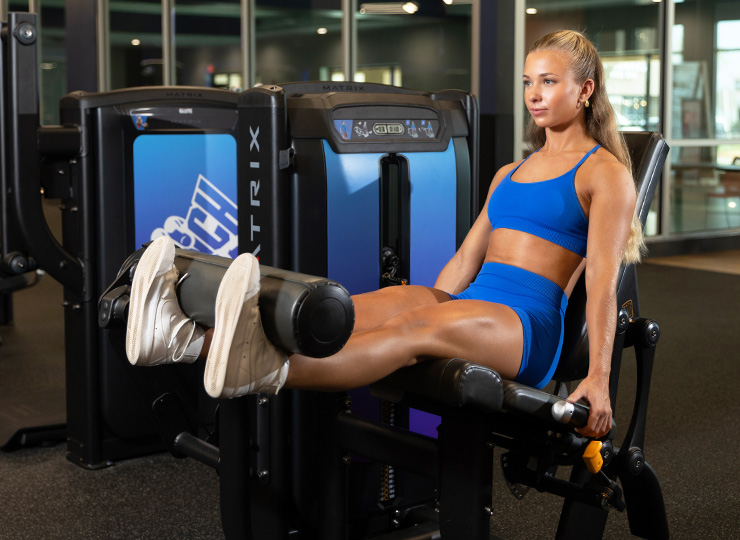
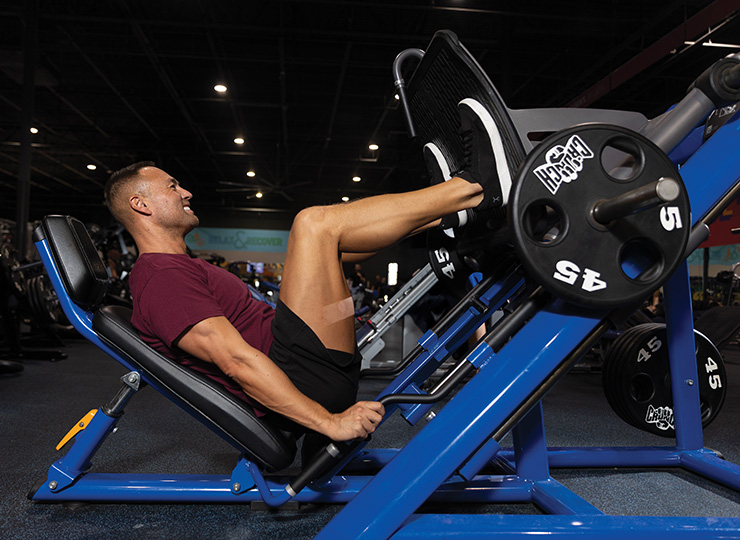
Exercises like barbell squats, deadlifts, and incline dumbbell presses work your whole body. They help you burn more energy and speed up changes in your body shape.
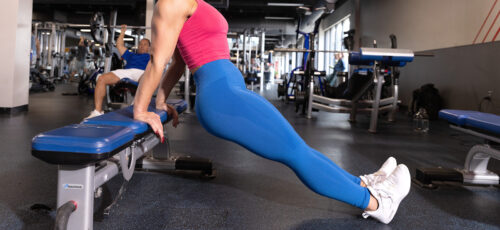
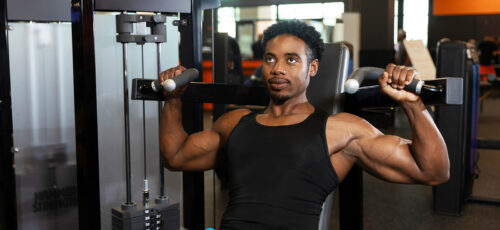
Including push-ups, cable pushdowns, and pull-ups gives you a balanced weight training plan that helps you gain muscle and lose fat.
If you want to make more progress, try gradually increasing the weight or number of reps in your workouts. This method, called progressive overload, is important for building muscle and seeing ongoing results.
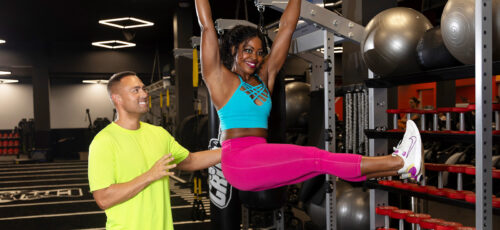
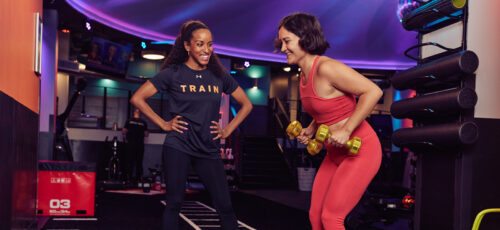
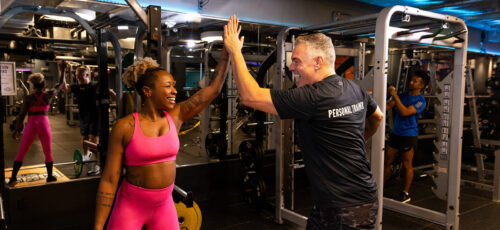
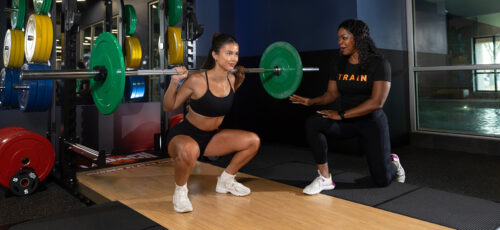
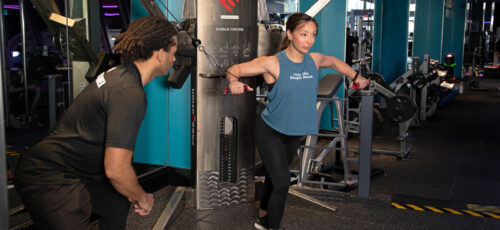
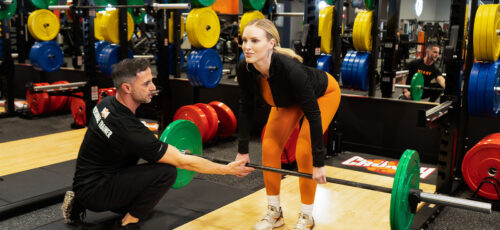
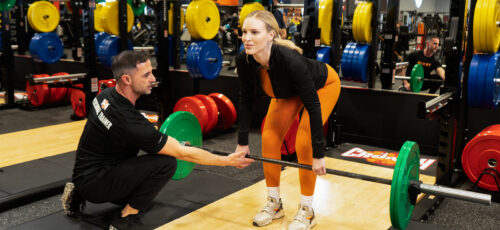
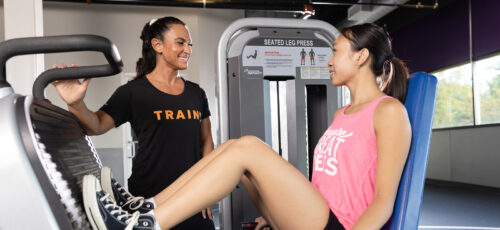
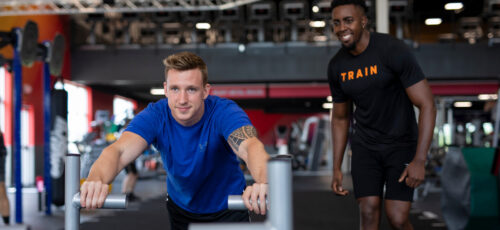
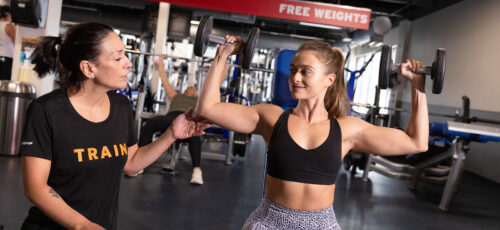
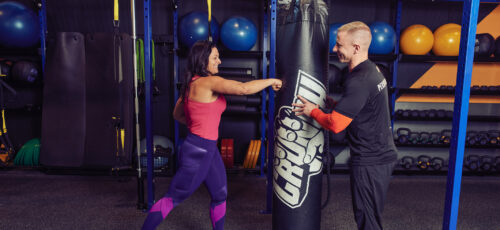
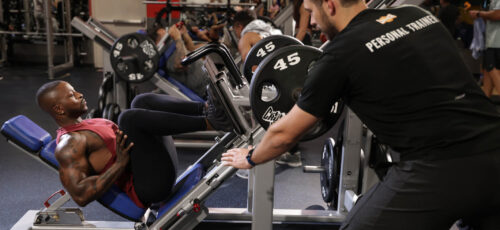
If you’re unsure where to begin, working with a personal trainer or joining a small group class can help you learn good form, improve coordination, and set up a workout plan that fits you.
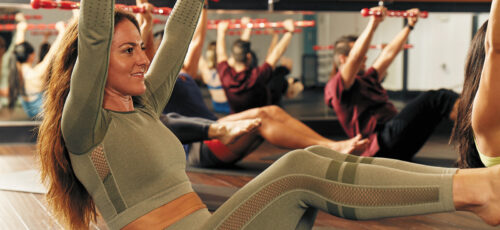
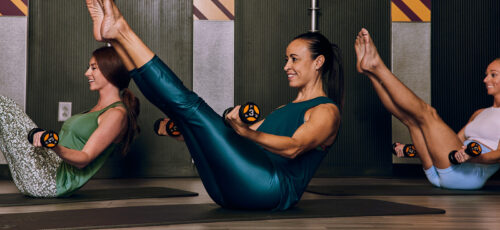
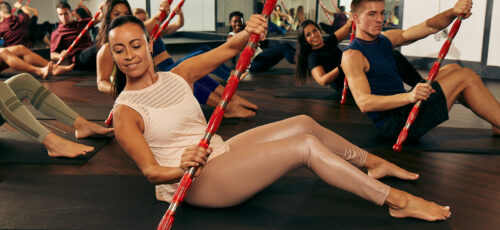
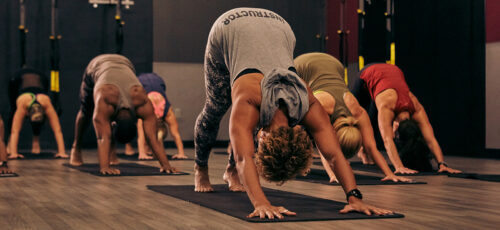
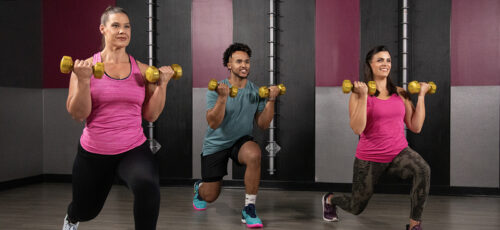
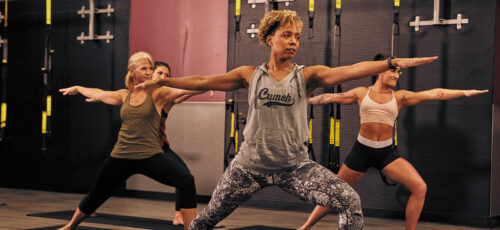
At Crunch Fitness, strength doesn’t have to feel repetitive. Classes like:
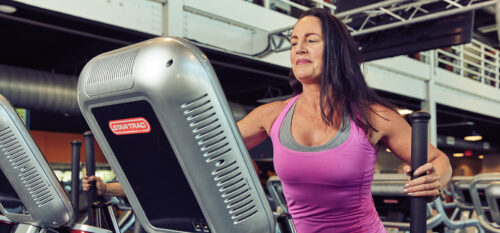
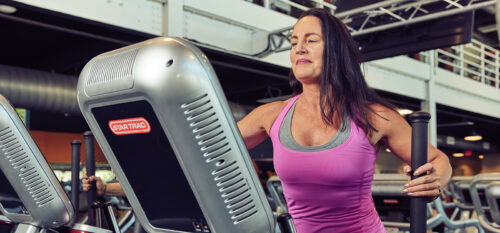
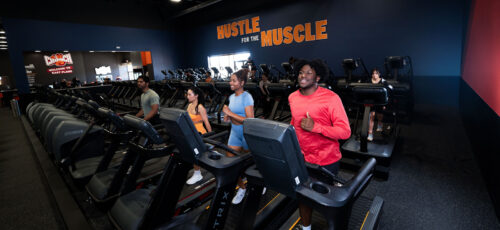
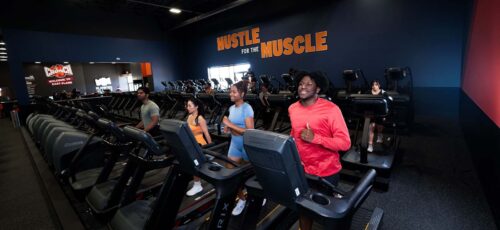
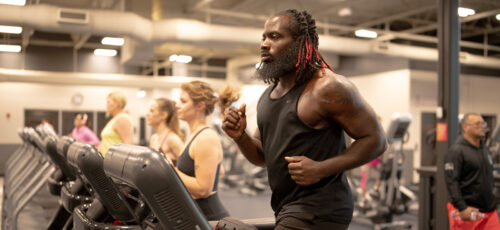
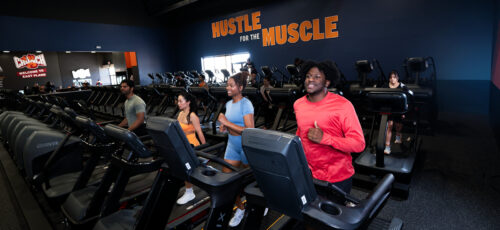
Now let’s talk about cardio, which is the part of your workout that burns the most calories. Whether you walk on an incline, do treadmill sprints, or use the rowing machine, cardio raises your heart rate and helps you burn fat more effectively.
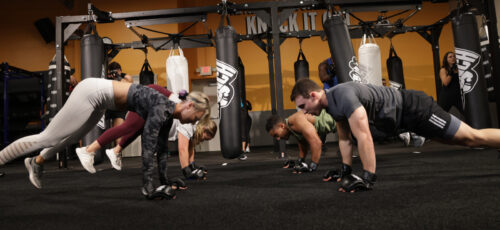
Not all cardio is the same. Low-intensity steady-state walking works well for beginners or recovery days. HIIT workouts, such as burpees, mountain climbers, or intervals, raise your heart rate and keep your metabolism high even after you finish exercising. This is known as the afterburn effect.
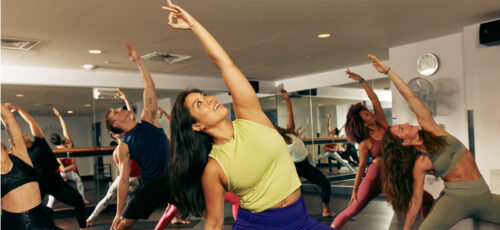
Mixing both types of cardio into your routine helps you avoid plateaus and keeps things interesting. For example, you might do a HIIT treadmill workout one day, then a lower-impact elliptical session or yoga the next to help your body recover.
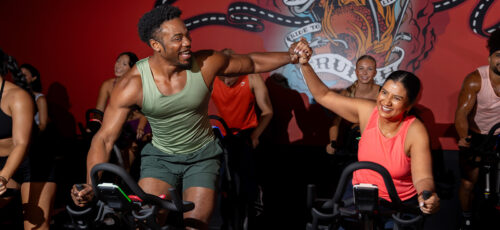
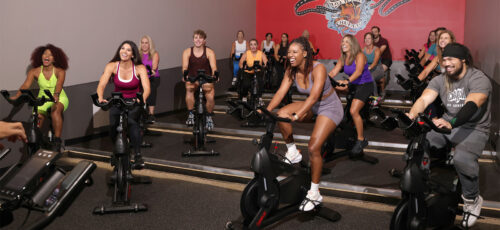
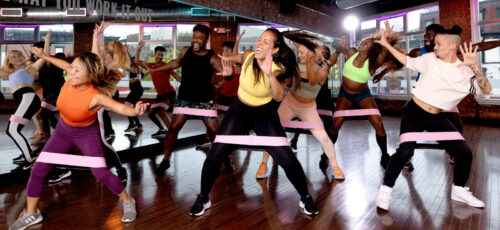
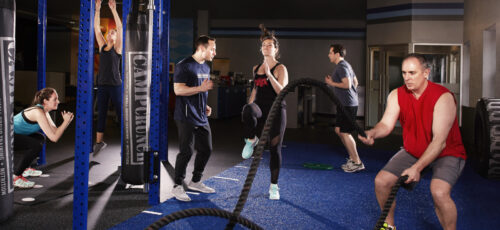
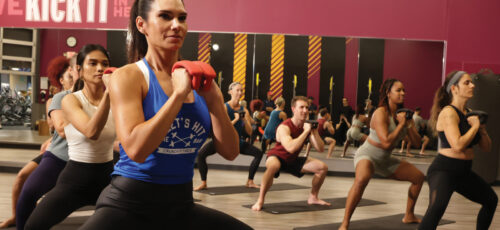
Crunch takes cardio to another level with classes that don’t feel like “just cardio.”
Imagine two people. One spends an hour doing steady cardio every day. The other combines strength training with short bursts of HIIT workouts. After a few weeks, who do you think is building muscle, boosting their metabolic rate, and improving overall body composition?
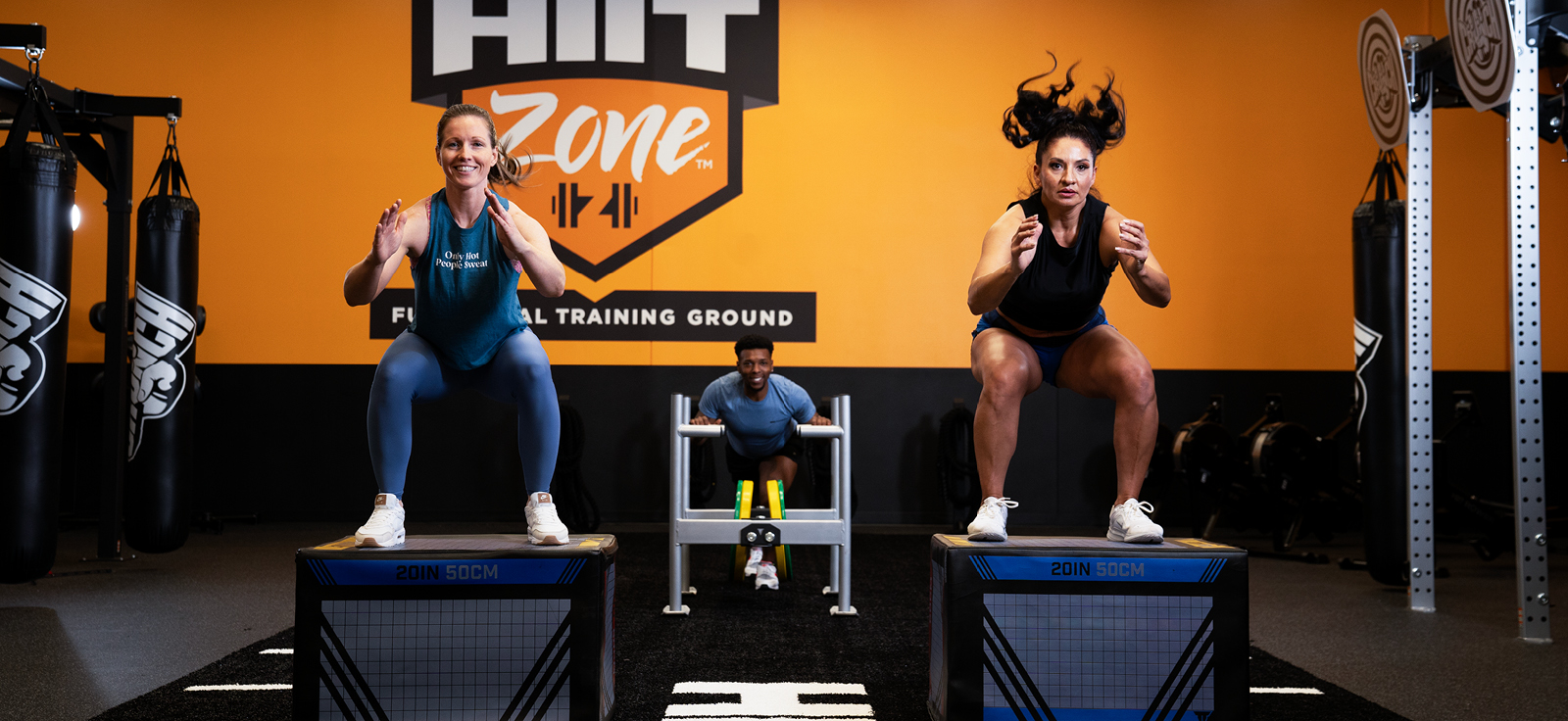
Your body responds to challenges. When you lift weights, you create small stress in your muscle tissue that forces it to rebuild stronger. When you add cardio, whether it’s a rowing machine, sprint, or a fast-paced class like HIIT Zone, you increase your energy expenditure and tap into fat stores. Combine both, and now you’re training your body to burn more calories even outside the gym.
But weight loss doesn’t always happen in a straight line. Some weeks you might feel lighter, and other weeks you might feel stuck. This happens because your body is adjusting things like energy stores, water, recovery, and sleep. If you have a great workout but don’t sleep well, it can affect your progress.
That’s why people who get real results don’t just work harder; they work smarter. They stick to a plan, focus on eating enough protein and good nutrition, take rest days seriously, and keep going even when motivation is low.
So rather than asking, “What burns the most calories today?” try asking, “What routine can I stick with, improve on, and enjoy next week?”
The real secret is that results come from doing smart workouts week after week, so your body gradually changes over time.
Being consistent is the most important part of building a gym routine for weight loss. But how many days a week should you go to the gym to see real progress?
According to the Physical Activity Guidelines for Americans, adults should aim for at least 150 minutes of cardio per week to support fat loss and improve overall fitness levels. That breaks down into:
If you don’t have much time but still want a good workout, try making your sessions more intense. HIIT workouts, quick rowing machine sprints, or incline treadmill walks are great ways to burn more calories in less time.
But cardio by itself isn’t enough. You should also do strength training at least twice a week to build muscle, boost your metabolism, and lose fat. This can be weight training, bodyweight moves, or resistance exercises.
The main goal is to choose a workout plan that fits your schedule, keeps you motivated, and helps you lose weight while staying strong and energized.
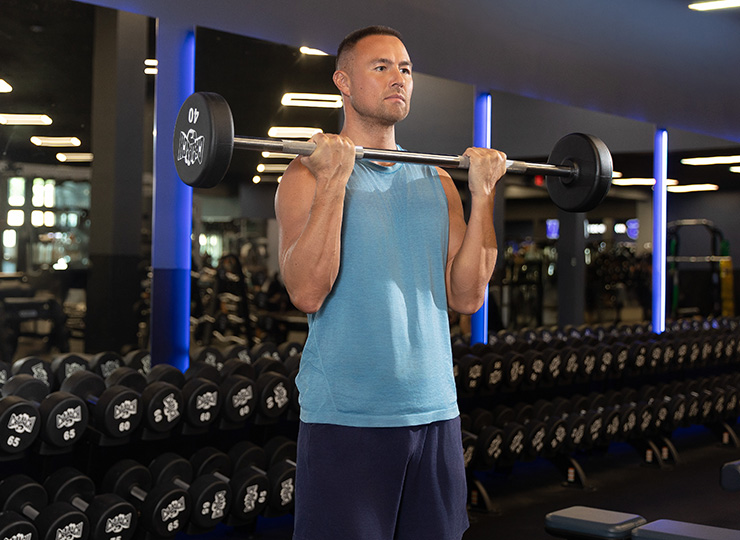
If you want results, your weekly workout routine should include more than just general upper body or cardio days. You need specific exercises, clear sets and reps, and a good balance of strength training, cardio, and recovery.
Here’s an actionable plan you can follow:
Monday: Upper Body Strength Training
Focus on major muscle groups (chest, back, shoulders, arms):
Want to go deeper? Check out our guide on Best Lat Exercises to Build Muscle and Improve Pulling Strength and Best Exercises for Building Upper Body Strength
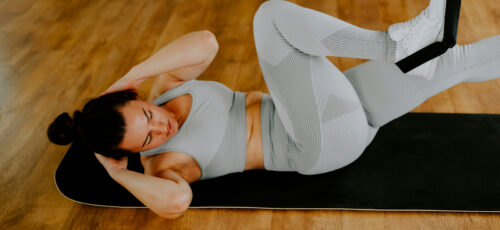
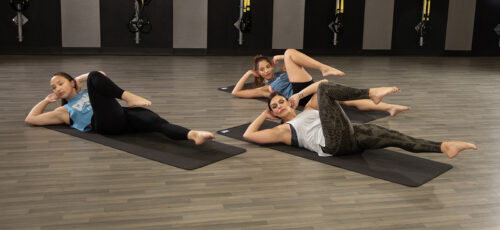
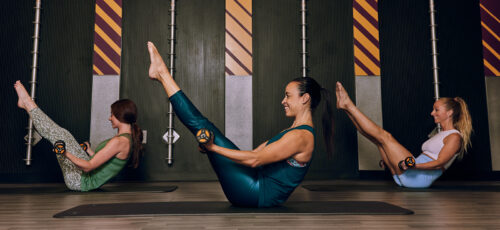
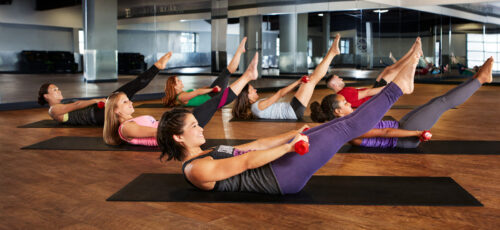
Tuesday: Cardio + Core
Wednesday: Lower Body Strength Training
You can also explore our breakdown of the 10 Best Leg Strength Training Exercises You Can Do At The Gym
Thursday: Active Recovery
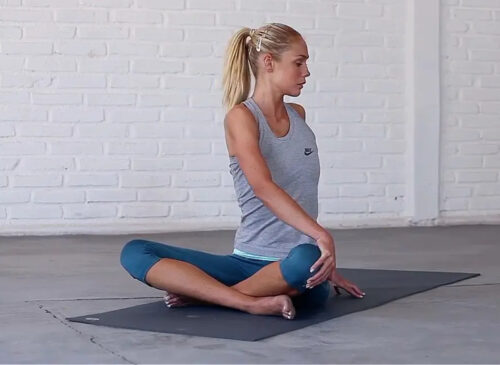
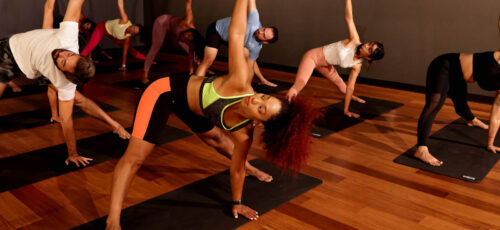
Think movement, not intensity: yoga, walking, or light cycling (20–30 minutes). This supports recovery, mobility, and your nervous system.
Check our article: The Importance of a Consistent Yoga Practice
Friday: Full-Body Strength + Conditioning
Saturday: HIIT or Group Fitness Class
Switch it up and keep it fun:
Sunday: Rest Day
Full recovery. Prioritize sleep, nutrition, and hydration.
This plan uses compound exercises, gradually increasing weights, and different types of cardio to help you lose fat and keep muscle. It also helps you avoid plateaus by working different muscle groups and energy systems each week.
Creating the best gym routine for weight loss is one step. Sticking with it, making progress, and seeing results is much easier when you have the right environment.
At Crunch, everything is set up to help you stay consistent, feel challenged, and stay motivated, all without making your fitness journey complicated.
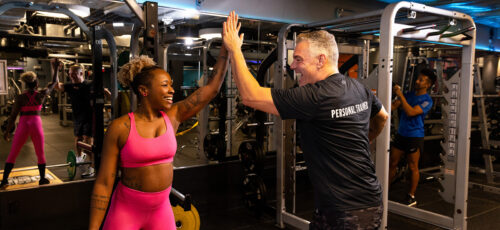
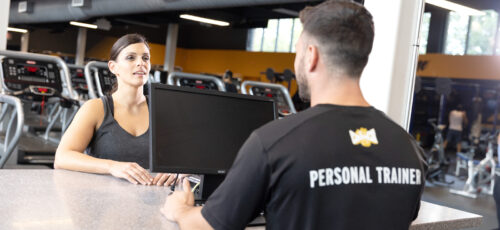
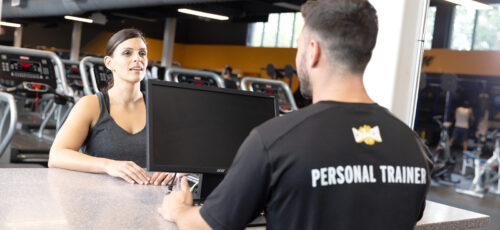
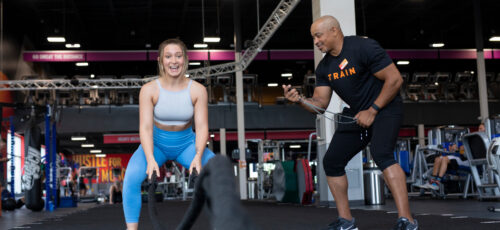
Have you ever felt like you’re doing everything right but not making progress? That’s when expert help can make a difference. Crunch’s certified trainers build workout plans just for you, based on your goals, fitness level, and schedule, whether you want to lose fat, change your body shape, or build muscle.
You’ll also get a CrunchONE Kickoff session, where you set a starting point, track things like body composition, and make a clear plan for moving forward. There’s no guesswork or wasted effort; just a strategy that grows with you.
If you’ve ever wondered, “Am I training the right way?” a trainer can help you figure that out quickly.
Having the right setup can turn a day when you’re unsure about working out into a day when you’re ready to go.
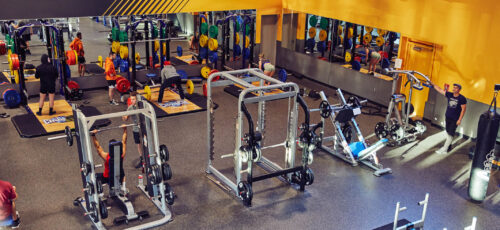
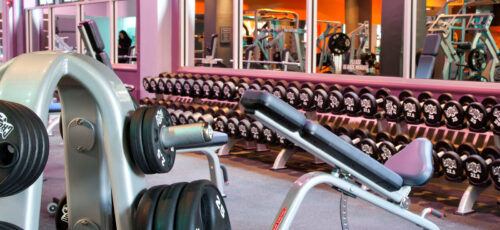
Crunch gyms are fully equipped with:
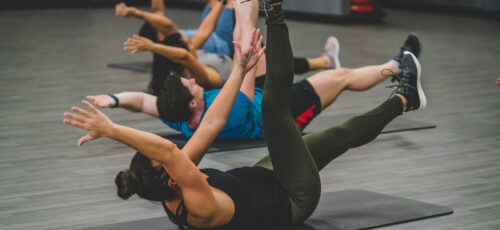
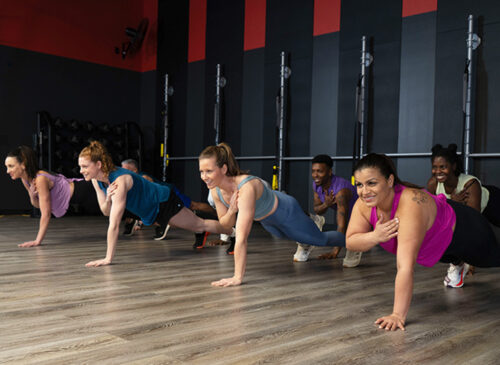
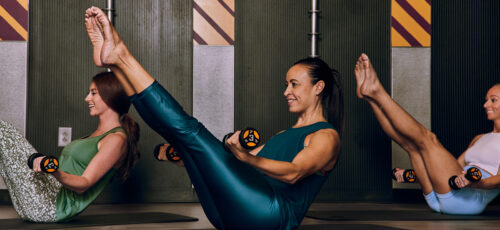
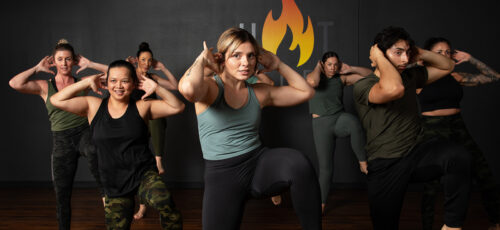
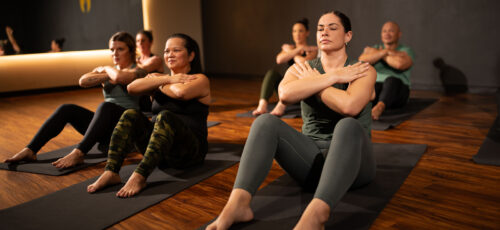
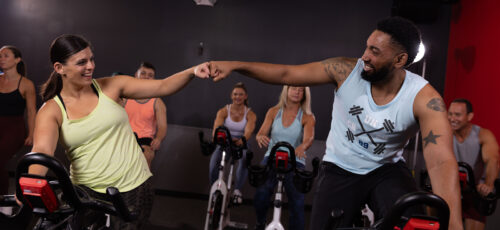
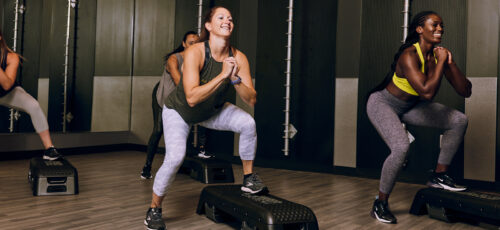
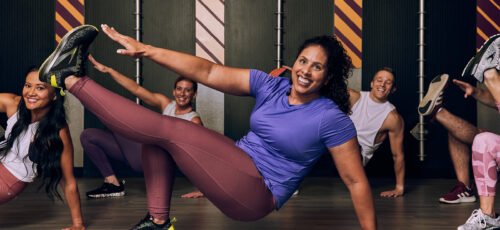
If you like more guidance, Crunch’s group fitness classes are made to keep your workouts interesting and help you burn more calories.
From HIIT Zone and The Ride to strength-based formats and cardio-driven classes, you’ll find options that challenge different muscle groups and keep your metabolism fired up.
Crunch’s No Judgments philosophy creates a space where you can show up exactly as you are and still feel motivated to improve. Whether you’re new to fitness or leveling up your routine, you’re surrounded by people who are all working toward their own goals, just like you.
Let’s be honest: it’s much easier to stay consistent when:
In the end, the best routine is the one you can keep doing. With good coaching, equipment, and a supportive community, Crunch helps make that much easier.
Crunch promotes a culture of positivity, inclusivity, and fun with no judgments by providing an environment for all individuals, regardless of their health and fitness goals. Find a Crunch gym near you to try our free trial membership, or join Crunch now. We’re here for you – at the gym or at home. Access the best live & on-demand workouts anytime, anywhere with Crunch+. Ready to get sweaty? Try hundreds of workouts for free! Start your free trial now!
You need both. Cardio helps you burn calories during your workout, while strength training builds muscle that increases your metabolic rate over time. The best results come from combining both in your routine instead of relying on just one. Want to dive deeper into which exercises are most effective? Check out: Effective Weight Loss Exercises: Which Ones Work Best?
Start simple and stay consistent. A mix of basic strength training and a few cardio sessions each week is more than enough to begin seeing progress. Focus on learning proper form, building confidence, and creating a routine you can stick with. For a step-by-step approach, read: How to Create an Effective Weight Loss Plan That Works
Machines that engage multiple muscle groups and elevate your heart rate are your best bet. Think treadmill, rowing machine, stair climber, and elliptical. The key is switching up intensity-interval training which beats staying at the same pace every time. For a full breakdown, visit: Crunch Fitness Picks: The Best Cardio Machine for Every Member
Most effective workouts fall between 30 and 60 minutes. If you’re doing HIIT or higher-intensity sessions, you can get great results in even less time. It’s not about how long you’re in the gym; it’s about how focused and consistent your workouts are over time.
HIIT is one of the most efficient ways to burn fat. By alternating between intense bursts and recovery, you keep your heart rate high and your metabolism elevated long after your workout ends. Curious how to use it effectively? Read: How to Use HIIT Workouts for Weight Loss
Not necessarily, but it can make a big difference. A personal trainer helps you avoid guesswork, build a structured plan, and stay accountable. If you want faster, safer, and more efficient results, it’s worth considering. Learn more here: Should I Hire a Personal Trainer for Weight Loss?
For most people, losing 10 pounds takes about 5 to 10 weeks at a safe pace of 1–2 pounds per week. Faster results are possible, but they often come with trade-offs like muscle loss or burnout. For a realistic breakdown, check out: How to Lose 10 Pounds in a Month: Effective Tips for Safe Weight Loss
Aiming for 1 to 2 pounds per week is considered safe and sustainable. This approach helps ensure you’re losing fat rather than muscle and makes it easier to maintain your results long term.
You might be doing more right than you think. Factors like sleep, stress, hydration, muscle gain, and nutrition can all affect the scale. Sometimes the issue is a lack of variety in your workouts or not fueling your body properly. For a deeper look at what could be happening, read: What to Do When You’re Working Out and Not Losing Weight